I can’t believe we’ve made it to the end of 2025 — it feels like I’ve lived at least three lifetimes in these 12 months. As I looked back on my reading history, I realized there was more nonfiction than I expected. I’ve spent a lot of time this year thinking about grief and rage, and sometimes that’s all I can think about. But my year in books reveals that I’ve also spent a lot of time being curious, seeking out new things to love about this world, and I’ve found them. I hope you have too.
The SRB editorial staff spends a lot of time celebrating books in our work here, and we usually manage to read a few on our own! Here are the top books (and TV series and podcasts and articles) our editors enjoyed over the last year.
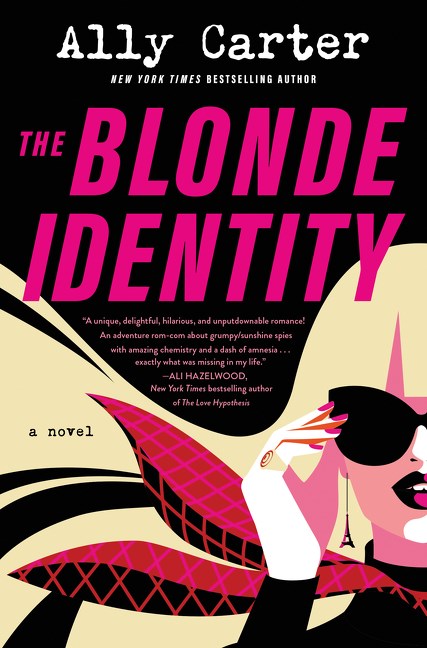
At the Virginia Film Festival this year, my friend Claudia asked me what screenplay I wish I’d written. My answer? Romancing the Stone. I love a good action rom-com! Think: Stardust, The Adjustment Bureau, National Treasure, The Lost City. I picked up Ally Carter’s The Blonde Identity as a break from reading a slew of domestic noir thrillers, and I wasn’t disappointed. In fact, I was delighted. Amnesia! Spies! Identical twins! And a hot brooding guy… What’s not to love? I listened to this on audiobook then purchased a hard copy to keep. It’s a ride.
Dept. Q
Created by Scott Frank and Chandni Lakhani
Based on the book Department Q by Jussi Adler-Olsen
Available to stream on Netflix
In this dark and quirky thriller, Matthew Goode plays Detective Chief Inspector Carl Morck, an English outsider in Scotland. Morck is a bit of a genre staple — gifted, arrogant, unlikable, traumatized. Why traumatized, you say? He was previously caught in an ambush in which his partner was paralyzed and another officer was killed. An ambush that has yet to be solved. Now back to work, he’s put in charge of a section newly created to solve cold cases, which don’t interest him until another officer, Syrian exile Akram Salim, brings him the case file of a missing prosecutor. Season 1, which premiered in May 2025, depicts the establishment of the new department and the misfit cops who populate it, and follows Morck and Akram as they investigate the first case over nine episodes. In August 2025 the series was renewed for a second season. Watch this if you’re up for a moody, character-driven crime series. It doesn’t disappoint.
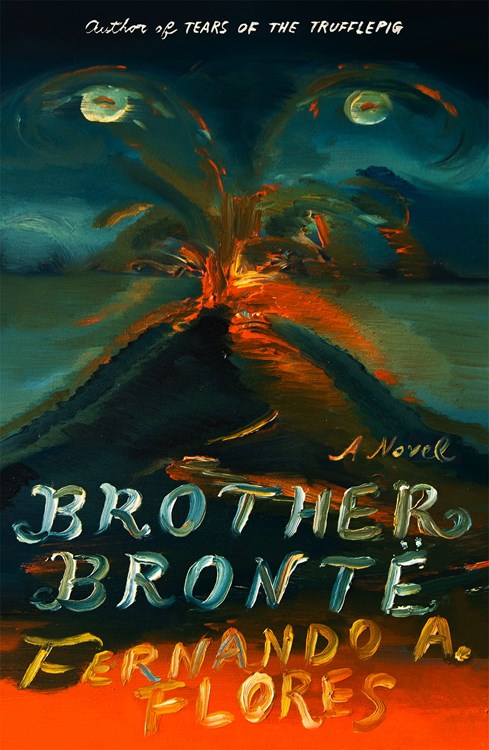
Fernando Flores’ newest novel, Brother Brontë: A Novel, is, in typical Flores fashion, both timeless and unbelievably prescient. Flores places his novel in Three Rivers, Texas, in 2038. The town has become a wasteland of dispossessed people and lands under the rule of its tech-industrialist and authoritarian mayor, Pablo Henry Crick. Under Crick’s leadership, the town has outlawed reading and forced many of the mothers in the town to work as indentured laborers at the Big Tex Fish Cannery, which has, over the years, led to vast environmental harm (think heavily polluted air, water, and land, not to mention the myriad health problems the citizens of Three Rivers face).
The novel follows two women, Proserpina and Neftalí, who, with the help of a Bengal Tiger, three scheming triplets, and an underground network of rebel tías (aunties), fight back against Crick’s authoritarian regime. This is not to mention the subplot regarding the namesake of the novel, which Neftalí, as the last literate citizen in Three Rivers, owns and protects, nor does it mention the anarchist farm that appears toward the end of the novel, or the many, many other narrative threads that run through the novel in unexpected and delightful ways. For those who want to read something a little left of normal that speaks to our own political present in unexpected ways, this is the book for you.
I’ve been on a bit of a creative nonfiction kick lately, and Jeffs’ Wild snared me from the jump. Each of the seven chapters tells a different tale from Medieval Britain, recounting it from an unexpected and revelatory angle before reflecting on those tales from a present-day perspective. From our dead that live in the dark, damp depths of the barrow to the unexpected and uninvited guests that visit our townhalls, Jeff’s exploration of the various ways in which the wild and wilderness have been figured into human imagination in Western tradition is relevant well beyond the British Isles and the Middle Ages.
Months after reading the final lines, I think weekly, if not daily, of the church deacon who, in broad daylight, walks up to the project’s most notorious drug dealer and shoots him in the face for reasons as complex and profound as what led Sportcoat to become an aged, widowered drunk and Deems Clemens to direct his athletic ambitions toward kingpin aspirations. McBride’s ability to capture humanity with the alphabet and turn it into language creates a blueprint for one to explore their own soul — and the soul of others — through a cast as relatable today as their setting in late-60s New York City. It’s not what Sportcoat walks into on the opening page, for me, but the path he takes in the last that resonates, a haunting peace that finds good fortune in tragedy and promise in darkness.
Enlightenment, independence, and revolution seem worthwhile ideals until the bill for their pursuit arrives, with some in the late-1970s Communist Chinese city of Muddy River finding they’ve exhausted their reserves before the insurgence begins. For others, the consequences reveal an energy that had not previously known. These individuals collide in Li’s debut novel, with philosophical prose exposing the fickle nature of morals when the flame of survival flares and how power, honor, and duty become muddled when loyalty and love are misunderstood.
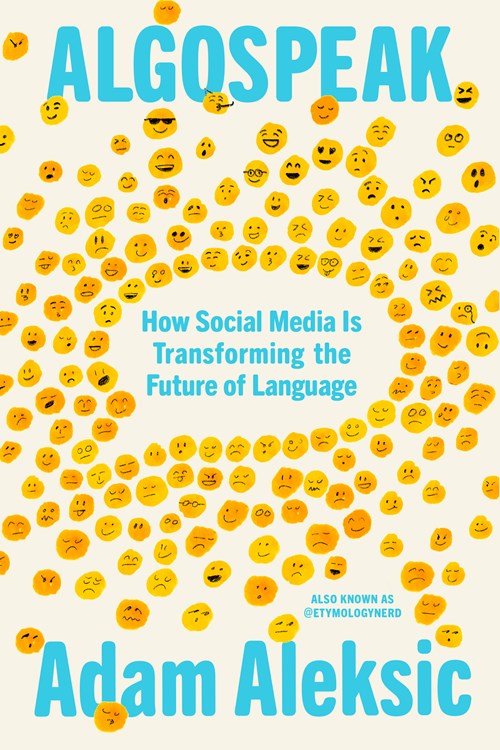
Though I admit I’m not very well-versed in the field of linguistics, I am absolutely fascinated by the way language is constantly changing. I discovered Adam Aleksic on Instagram (because I guess I’m too old for TikTok) and loved the little learning break he offered between bouts of doomscrolling, so I was really excited to read Algospeak. I was hooked from the introduction and learned so much about algorithms and how the internet is changing our culture in ways that are easily felt but less easily explained. It’s easy to laugh at and dismiss new slang and new styles (cottagecore, gothcore, etc.) and clickbait boomer vs. millennial articles, but this book offers some really insightful background. I’m definitely more thoughtful when I’m scrolling and consuming information now, which makes it easier to spend a little less time on social media.
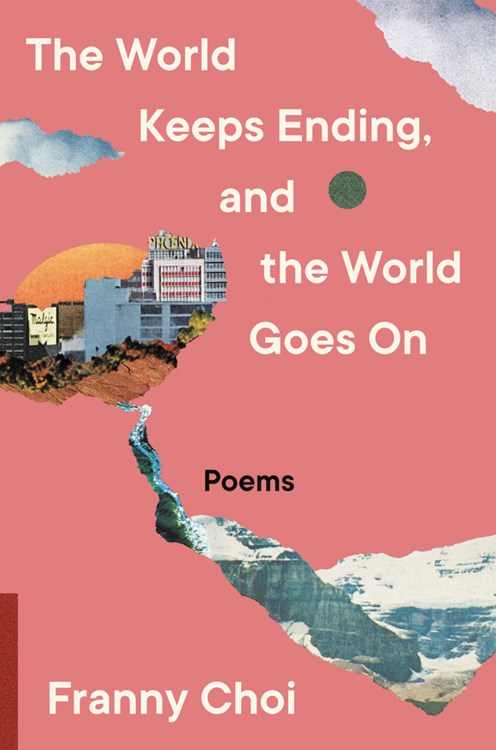
I read this collection by Franny Choi for a book club, and it was a real gift for this year. Eve Ewing blurbed it, saying, “Anyone who has lived through the daily absurdity of disaster — which is to say, all of us — can find a home here,” and I think that’s maybe the truest thing that can be said of the book. The title poem, especially, was comforting to read in this disaster year because there have always been apocalypses, personal and global — yet the world keeps turning, we keep ordering our coffee. “Protest Poem” was a hopeful close to the collection, a reminder that we have to survive and fight for something better than our current apocolypse.
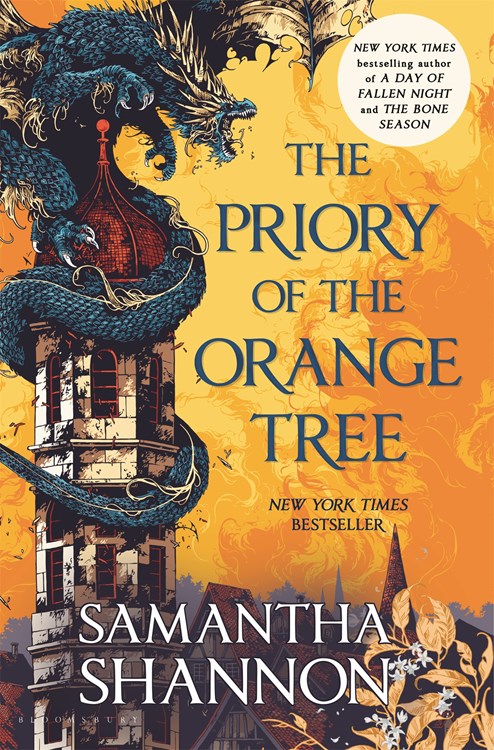
I’ve put off readingThe Priory of the Orange Tree by Samantha Shannon for a while now because – wow – it is a very big book. Finishing it, I felt that the length was both almost too long and then not long enough. The story is expansive, following multiple plot lines and complex characters that take you through lands filled with rich detail and vibrant cultures. I’ve seen it described as the feminist Game of Thrones, and while I’m not sure I totally agree with that comparison, I get it. The Priory of the Orange Tree’s got everything from suspenseful court politics and matriarchal religion to magic and dragons. Most importantly, for me, though, the main narratives carrying you through the novel are all incredibly captivating, believable, and refreshingly woman-centric.
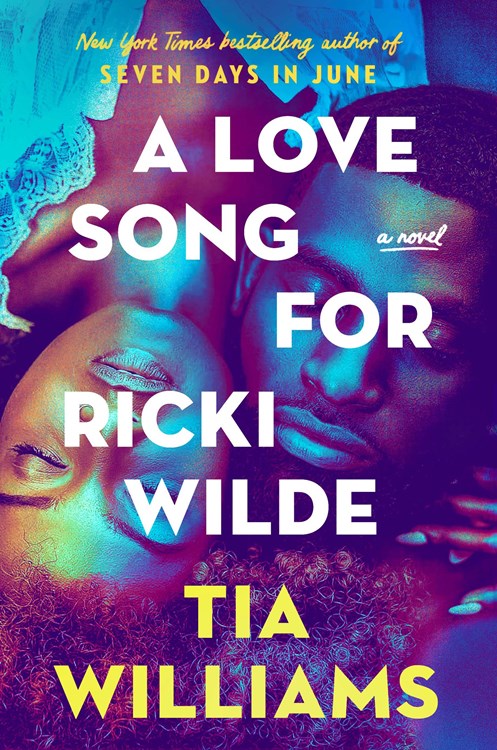
Tia Williams’ A Love Song for Ricki Wilde, on the other hand, is a short, sweet, and perfectly quick read to help you get over any reading slump. It’s a slightly magical, if not mostly romantic, novel set in Harlem featuring an Atlanta florist, a mysterious man from South Carolina, and some Louisiana voodoo. If you think that sounds like a strange mix, you’re not wrong, but Williams somehow pulls these threads together in a way that is so charming and a delight to read.
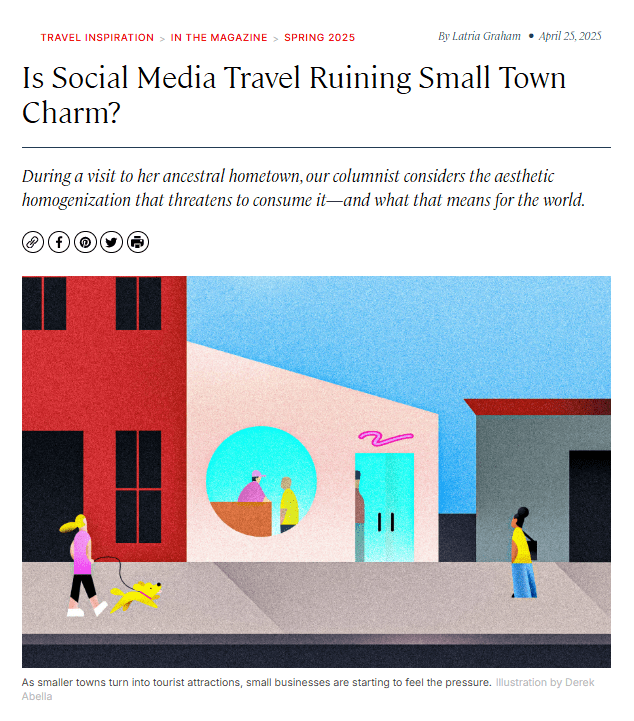
Recently, my husband and I ventured to Greensboro, Georgia, for a “day date.” Our intent was to patron the historic downtown, which we’ve heard good things about (“So quaint! Very charming!”). Because we were visiting during our son’s school day, we arrived before most of the antique stores opened, and so our first stop was in the affluent Lake Oconee district, where we remained for the majority of our visit. The experience reminded me of my friend Latria Graham’s article “Is Social Media Travel Ruining Small Town Charm?,” published by Afar earlier this year. Graham writes, “It’s up to us travelers to seek and support the kind of places that make a destination special.” My husband and I did eventually make it to Genuine Georgia Artisan Marketplace, where we scooped up gifts for others and ourselves, but by that point, we were spent (in more ways than one), and we had to rush home for car line. I left feeling like we really hadn’t give Greensboro its due.
I’ve been a devoted podcast listener for years now, but as the airwaves continue to flood, I find myself unfollowing some of my former favorites. One show that never lets me down, however, is The Splendid Table. I would even categorize it as one of my favorite book podcasts for the show’s narrative format and the fact that host Francis Lam, Editor-in-Chief with Clarkson Potter (a Penguin Random House imprint), almost always interviews guests with innate storytelling skills and, yes, books of their own. On a recent episode, Lam talked Southern food with scholar and writer Michael W. Twitty and then chatted with filmmaker Deb Freeman about her new PBS documentary, Finding Edna Lewis. Give the show a listen! It’s a delightful, interdisciplinary experience.
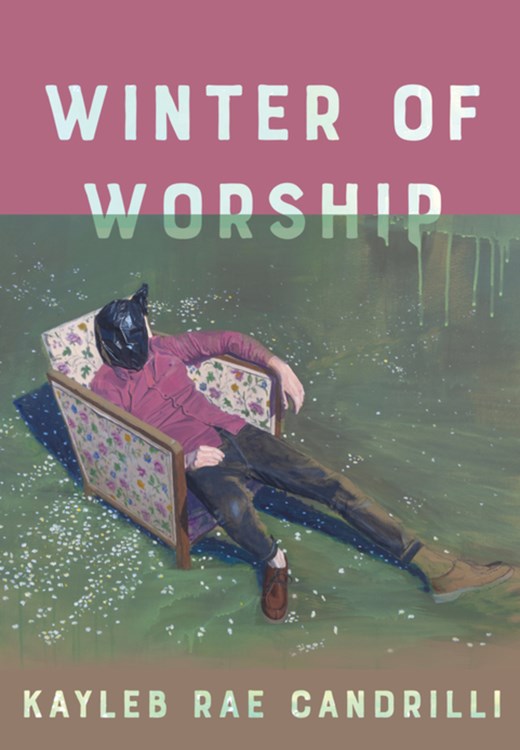
I read this poetry collection near the end of my first MFA semester. The subject of the poems range from queerness and transness to grief for friends to addiction and poverty in rural Pennsylvania; amid bewilderment and pain, Candrilli makes a beautiful case for self-determination. (A favorite poem was “Ghazal Written for the Lids in Downtown Brooklyn Where I Chose My Name.”) Their elegies are nourishing and energetic, even as they mourn and rail against unecessary loss.
Their invented poetic form, the marble run, was the most striking to encounter—the lines run as long as the horizontal page, and the words at the end of a line always find their echo in the beginning of the next line, connecting hand in hand all the way to the end, which harkens to the beginning.
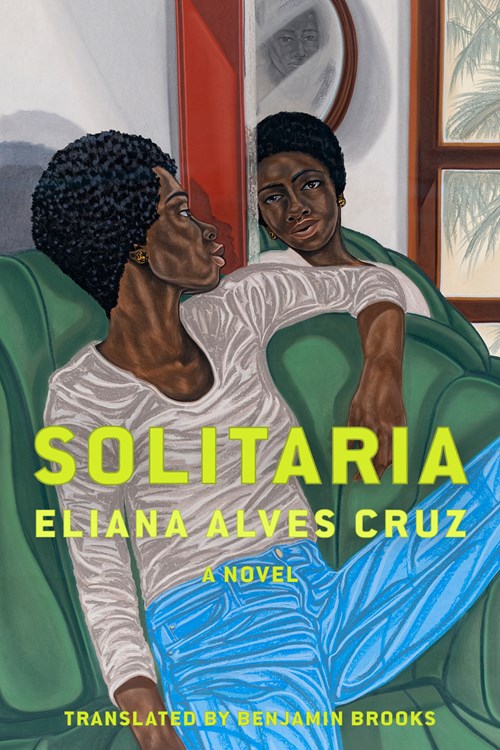
This was one of those magic books that I devoured in a single day. Eunice, a Black Brazilian who makes her living as a live-in domestic servant, raises her daughter Mabel in the cramped, tiny room designated for her by her wealthy employers. First written from Mabel’s perspective, then Eunice’s (with a delightful experimental coda from the perspective of rooms in the luxury apartment), we see the romance, intrigue, ambition, and familial love that blooms in both of their lives at the Golden Plate apartment complex, all while under enormous pressure to minimize their own lives from Eunice’s employer, especially when tragedy strikes. This book had so much to say about the intersection of class and race, and how the two change the consequences of crime and culpability, but the voices of the characters are what stayed with me long after putting it down.











0 Commentaires