A Revival After 16 Years: “New Stories From the South” https://ift.tt/pZcBQ0G
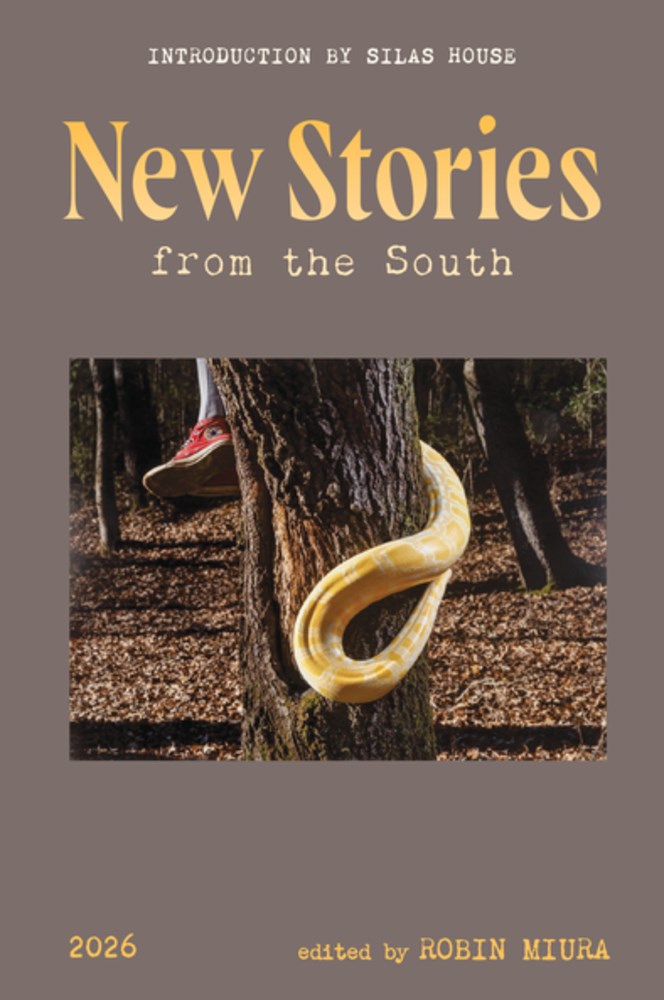
The collection New Stories from the South makes its return after a sixteen-year hiatus with a new home at Blair. This rebirth, edited by Robin Miura with an introduction from Silas House, promises a new era for this collection of short stories. Impressively, it heralds that newness by highlighting a myriad of diverse voices from a region that is too often pigeon-holed into old stereotypes. New Stories shows how the South may be a backward-looking place, but its stories only move in one direction.
Beginning with “Peanut-Butter Cup” from Tony Early, the tone of the collection is formed through characters reckoning with their perceived sense of significance in places rarely visited. As the tryst between his main characters progresses, it unravels their ties in different parts of their small community. It feels like a dialogue between the “outside” world and their smaller lives. Derry (the protagonist) struggles against unfulfilled promises of middle age, along with the debt of unrealized ambition: “he had reached his upper level in life and discovered his level to be low, that he had spent eight years qualifying himself for a job that no qualified educator would ever want, that no matter where he lived it would always be on the wrong side of the mountain.” In effect Early creates a new situation for that pervasive feeling in Southern literature – feeling trapped.
In “Fairy Swap,” Emily Harper Ellis wraps tragedy and longing in magical realism. With Pan’s Labyrinth vibes, the two girls in the story deal with the absence of their mother who was stolen by the fairies and replaced with a changeling who tries to kill them. It is much easier to explain the sudden flip in a parent’s behavior this way, rather than other plagues to folks in the South like mental illness or drug addiction. With a father who fights for them against their aunts, while still losing the battle of providing a stable home that isn’t consumed by mildew, overgrowth, or fairy magic, the two must wrestle with their loss, bargaining with the only thing no one has really given them… an ear. The stoic fairies of the tale seem the only grounded figures in the story.
Some of these stories have the characters and themes you’ve come to love from the South. Lost lovers chase protagonists (or the other way around) through many pages of this collection. Grief pulls lives toward it with all the density of a dead star. Pasts haunt and shape the choices of people in these tales. But this collection has gathered stories in a wide net, finding the viewpoints and voices of a South we currently live in and are building. Many pages blaze with a feminist fire. We are taken outside of stereotypical farms and woods, and even out of the Southern U.S. We learn of a Pakistani family, where alliances are explored, and exploited, from infancy to the eternity of religion. Dark academia lurks both in background and foreground here. Emily Nemens even writes a family drama set against university life which almost makes Baton Rouge interesting.
There are some heavy hitters here along with Tony Early, like Deesha Philyaw and her raw and real story of divorce and reclaiming joy. In “She No Longer Fears Him,” the character Rochelle rebuilds her life from her body out. Being able to experience pleasure for pleasure’s sake is a right she had not been afforded in marriage. This is the outward expression of Rochelle letting herself be enough as a mother, a photographer, and a woman. There seems to be no corner of human experience and emotion Philyaw hasn’t considered.
Ron Rash brings us a tale of a bruised-by-life bachelor, re-inhabiting his childhood cottage. His attempts to make it a home are as waylaid as his forays into the community. And he is haunted by sins he fears he inherited from his father. It is the fear of this inborn brokenness that prevents him from accepting happiness, even when it comes back from his past to find him.
While many have commented on how this part of the world is not monolithic, this collection puts that concept on full display. These stories feel like both an invitation and a statement asking us to look closer at something we thought we knew but clearly still has so much to show us. If you have been waiting sixteen years to see this collection revived, Blair and Robin Miura have made that time well spent.




0 Commentaires